CMU Retaining Wall Design: When Blocks Beat SRW
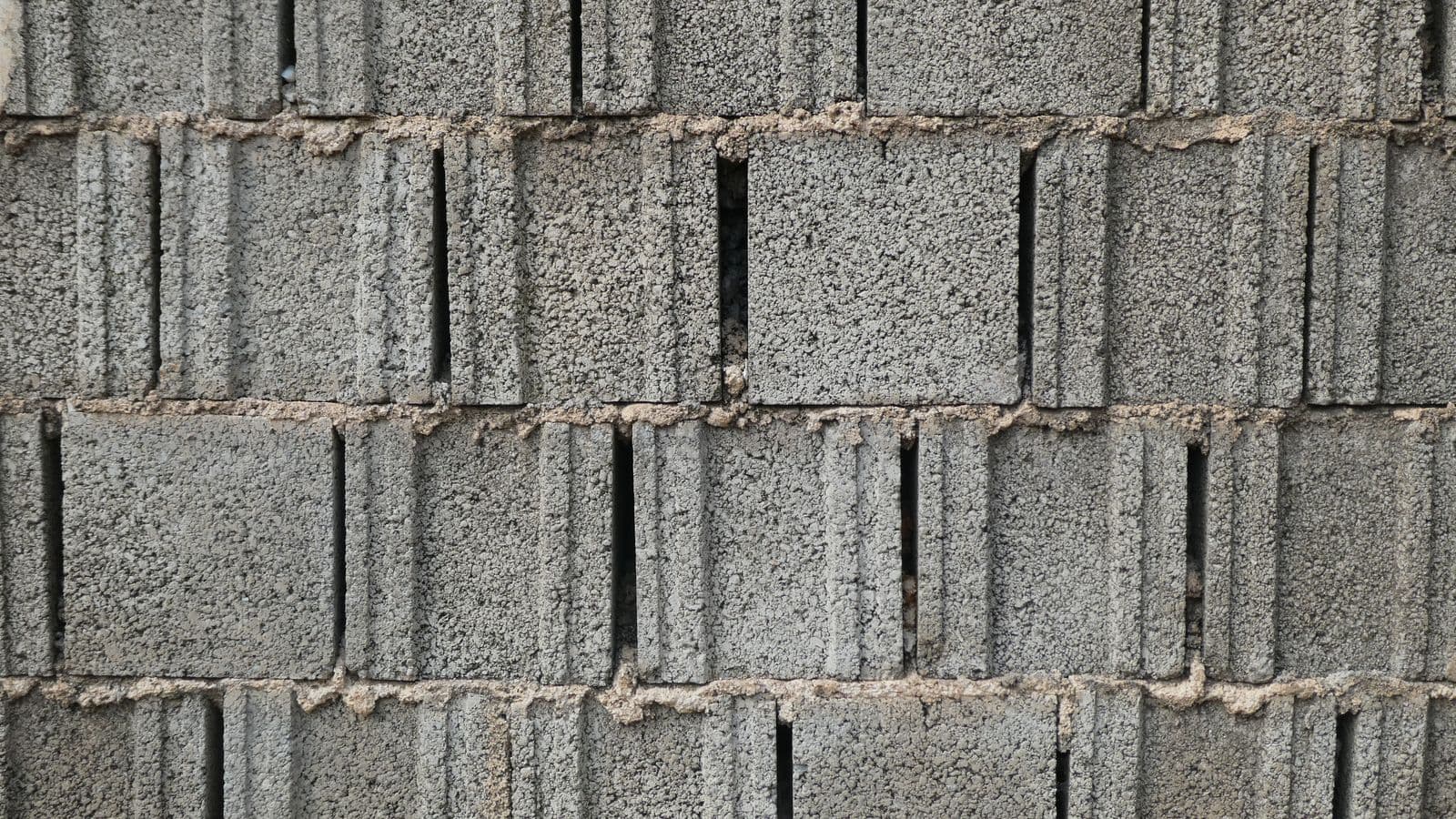
Picking a retaining wall system feels simple until you get a quote back for a 9-ft slope and realise standard block won't cut it. That's usually the moment a CMU retaining wall comes up — the same concrete blocks used to build a garage or a boundary wall, but grouted, reinforced and engineered to hold back soil instead. It's a different animal from the interlocking pavers most homeowners picture when they hear "retaining wall," and knowing which job it's actually built for saves you from an expensive redesign halfway through a project. This guide walks through what CMU is, when it earns its keep over segmental block, and what it costs to get right.
- CMU retaining walls use standard 8×8×16 hollow-core concrete blocks, filled with grout and reinforced with rebar — mortared and structural, not dry-stacked.
- CMU can be engineered to 8–10+ ft, well beyond the practical limit of most gravity-built segmental block (SRW).
- Any CMU wall counts as structural masonry and needs a stamped engineering design plus a permit, in effectively every US jurisdiction.
- Rebar is typically #4 or #5 bar spaced 32–48 in on centre, set in grouted cores.
- Installed cost runs $40–$75 per sq ft — comparable to poured concrete, and materials are the cheap part; engineering and labour drive the price.
- Most US building codes waive the permit requirement only below 4 ft of total height, measured from the footing — see IRC Section R404.4.
What a CMU retaining wall actually is
CMU stands for concrete masonry unit — the technical name for a standard concrete block. For retaining wall work, builders use the same 8×8×16-inch hollow-core units you'd see on a house foundation, but the cores get filled solid. Vertical rebar runs down through the block cavities, tied to dowels cast into the footing, and the whole thing gets filled with grout — a pourable, high-slump concrete mix — so the wall behaves as one continuous reinforced structure rather than a stack of loose parts.
That's the key difference from segmental retaining wall (SRW) block, the other system most people mean when they say "retaining wall block." SRW units are solid, textured, and interlock with a pin or lip system. They sit dry — no mortar, no grout, no steel — on a compacted gravel or stone levelling pad, and they resist soil pressure through sheer weight and, for taller walls, geogrid reinforcement buried in the soil behind them. A CMU wall resists the same soil pressure structurally, through the steel and grout, acting more like a poured concrete cantilever wall wearing a block skin.
If you're still deciding which category your project even falls into, our wall design calculator will flag whether you're looking at a gravity structure or something that needs a full cantilever design — that decision drives everything downstream, including whether CMU is even on the table.
CMU vs SRW: the comparison that actually matters
Both systems use "concrete block," which is exactly why people mix them up. Side by side, though, they solve different problems.
| Factor | CMU (grouted, reinforced) | SRW (dry-stacked segmental) |
|---|---|---|
| Installed cost | $40–$75 / sq ft | $20–$45 / sq ft (up to ~4 ft) |
| Max practical height | 8–10+ ft with engineering | Typically 4 ft gravity; taller needs geogrid |
| Aesthetics | Flat face; stucco or clad-able | Stepped, textured face; visible batter |
| Engineering required | Always — stamped design | Only above ~4 ft or with surcharge loads |
| Typical use case | Commercial, waterproofed, tall walls | Residential DIY, garden terraces, low walls |
Neither system is "better" in the abstract. A 3-ft garden terrace built from CMU would be over-engineered and overpriced. A 9-ft basement excavation wall built from dry-stacked SRW would, frankly, be a liability. Matching the system to the height and the use case is most of the decision.
When CMU wins
CMU earns its cost premium in a handful of situations:
- Height. Once you're past roughly 6–8 ft of retained soil, a properly designed CMU cantilever wall handles the lateral load more predictably than a gravity SRW system, and without needing metres of geogrid running back into the slope.
- A flat, paintable face. SRW has a stepped, textured look built into the unit — that's part of its charm for a garden wall, but wrong for a building that needs to match a stucco or brick façade. CMU can be parged, stuccoed, or clad in stone veneer to disappear into the building design.
- Commercial and light-industrial sites. Loading docks, car parks, and building foundations are CMU's home turf — it's the same trade, the same crews, and the same inspection process contractors already use for the rest of the structure.
- Waterproofing requirements. SRW is meant to breathe — water drains through the joints between units by design. CMU can take a membrane coating on the back face, which matters when the wall is also acting as a basement or retaining foundation wall for a habitable space.
When SRW wins
Flip those same factors around and SRW is very often the right call, especially for homeowners:
- No mortar, no rebar, no poured cores. SRW installs go in fast, with hand tools and a compactor — a realistic DIY weekend project for a low wall.
- Under 4 ft total height. Below that threshold, most jurisdictions don't even require a permit or an engineer, and a gravity SRW design is genuinely adequate.
- Budget and speed. Materials are cheap, labour is lighter, and there's no cure time to wait out before backfilling.
Our segmental block calculator sizes exactly this kind of wall — base width, embedment, and whether you need geogrid — and our concrete retaining wall calculator does the equivalent for poured and CMU cantilever designs. If you're still weighing block against poured concrete against timber more broadly, our material comparison guide covers the wider field, and our piece on gravity vs cantilever retaining walls goes deeper on why height changes the entire structural approach.
Design and engineering requirements for CMU
There's no version of a CMU retaining wall that skips the engineer. Because it's reinforced structural masonry, not a gravity system, the whole point is that steel and grout are doing the work — and steel placed wrong, or grout that doesn't fully fill the cores, doesn't hold. A stamped design typically specifies:
- Rebar size and spacing — usually #4 or #5 bar at 32–48 in on centre, though taller walls or higher surcharge loads (a driveway or building sitting right behind the wall) push that tighter.
- Grout type and pour method — high-lift grouting needs clean-outs at the base of each cell so you can confirm the cavity is actually full, not bridged with a grout plug halfway down.
- Footing size and depth — sized for the overturning and sliding forces the wall will see, and set below the local frost line. Our footing depth guide walks through how that number gets calculated for different soil and climate conditions.
- Drainage — weep holes or a full drain board and gravel column behind the wall, since a CMU wall traps water in a way SRW doesn't.
"Concrete masonry retaining walls rely on reinforced, grouted construction to resist lateral soil pressure, and design must account for the full range of soil, surcharge, and drainage conditions at the site." — adapted from CMHA's TEK 15-07B, Concrete Masonry Cantilever Retaining Walls
Expect a building permit in every jurisdiction once a CMU wall is involved — these are almost never under the 4-ft exempt threshold that covers casual garden walls, and even where a specific wall might technically qualify, most building departments treat any grouted, reinforced masonry wall as requiring plan review. If you don't already have a structural engineer, our find-a-pro directory can connect you with one who's done retaining wall work in your area — this isn't a design to shop around on price alone.
One mistake worth flagging: crews sometimes assume a partially-grouted wall (grout only in the cells with rebar) performs the same as a fully-grouted one. It doesn't — the engineer's calculations assume whichever condition is specified, and swapping one for the other on site without a redesign is a common way inspections fail. Get the grout schedule in writing and follow it exactly.
Cost breakdown
CMU retaining walls land in the $40–$75 per sq ft installed range, which puts them roughly on par with poured concrete and above engineered SRW at comparable heights. The block itself is genuinely inexpensive — a standard 8×8×16 unit costs a few dollars — so where does the rest of the money go?
- Steel and grout — rebar, grout pumping (or hand-grouting for small jobs), and clean-out labour add up fast on a tall wall.
- Engineering — a stamped design for a residential CMU wall commonly runs several hundred to a couple of thousand dollars depending on height, soil report needs, and local review requirements.
- Footing excavation — deeper, wider footings than SRW needs, and if the excavation goes past about 5 ft deep, OSHA's excavation standards kick in for shoring or sloping, which affects both safety and schedule.
- Finish — stucco, parging, or stone veneer on the visible face is a separate line item from the structural block work.
None of that is optional on a wall over roughly 4 ft. It's why a homeowner pricing a 3-ft garden wall in CMU almost always gets steered toward SRW instead — the fixed costs of engineering and permitting don't scale down, so they eat a much bigger share of a small job.
A worked example: choosing between CMU and SRW
A small retail plaza needed to grade a rear parking area up against a 7-ft drop to a loading lane, right along the building's back wall. The obvious segmental block option — dry-stacked SRW with geogrid — would have worked structurally, but two things ruled it out. First, the site plan called for the wall to match the building's stucco finish, which SRW's stepped, textured face couldn't do cleanly. Second, the geogrid needed for a 7-ft SRW wall would have extended several feet back into a footprint already tight with underground utilities.
CMU solved both problems: a grouted, reinforced cantilever wall with a footing narrow enough to clear the utility corridor, finished in the same stucco as the building above it. The engineering and permit added roughly three weeks to the schedule and a few thousand dollars to the budget compared with a rough SRW estimate — but it was the only option that actually fit the site and the architecture. That's the pattern worth remembering: CMU wins when height, aesthetics, or site constraints rule out the simpler system, not because it's inherently the "better" wall.
Before committing either way, run your numbers through the wall design calculator — it'll tell you which category of wall your height and soil conditions actually call for, and our methodology page explains exactly how those numbers get calculated so you can sanity-check what a contractor or engineer quotes you against.
FAQs
Is a CMU retaining wall the same as a regular block wall?
Not quite. A standard CMU wall (like a garage or garden wall) may be unreinforced or lightly reinforced, but a CMU retaining wall is always fully engineered, with rebar in every structural cell and grout filling those cores, because it's resisting constant lateral soil pressure rather than just its own weight.
Can I build a CMU retaining wall myself?
Technically yes, if you're a competent mason and can follow a stamped engineering design exactly — but realistically, most homeowners hire this out. The combination of structural rebar placement, grout clean-outs, and inspection sign-offs makes it a poor first DIY masonry project; SRW is the far more common DIY route.
How tall can a CMU retaining wall go before it needs extra reinforcement?
There's no fixed cutoff — it's a function of soil type, surcharge load, and the engineer's design — but 8–10 ft is a common practical ceiling for a straightforward reinforced CMU cantilever wall before designers start looking at additional measures like counterforts or a wider footing.
Does a CMU retaining wall need weep holes?
Yes, in almost every design. Without weep holes or a drainage system behind the wall, hydrostatic pressure builds up against the grouted, largely impermeable face and adds load the structural design almost certainly didn't account for.
Is SRW cheaper than CMU for the same height wall?
Below about 4 ft, yes, clearly — SRW skips grout, rebar, and usually the engineering fee entirely. Above that height, once SRW needs geogrid, a proper base design, and often its own engineering review, the cost gap narrows considerably, and CMU's flat face and taller practical limit can make it the better value.
Base width, factors of safety, materials and cost, all free.